Historic total highlighted on the legacy Lift4Love site.
 Lift4Love
About Lift4Love
Tim and Carrie Nash built Lift4Love to turn strength into help.
Lift4Love grew from family health battles, cancer loss, and Tim’s endurance-lifting challenge into a campaign people can understand, share, sponsor, and support with confidence.
Tim and Carrie Nash began shaping Lift4Love around a long-view mission built from lived experience.
The featured Raise the Bar split: Huntsman, VP/STX, sponsor-host, and campaign operations.

Lift4Love began as a family response to hardship and grew into a challenge-driven campaign built around strength, generosity, and follow-through.
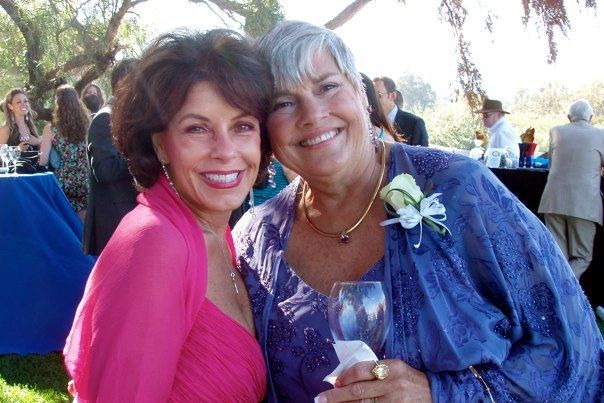
Family first
Every lift points back to real people, real pressure, and real follow-through.
Where it started
Lift4Love was started in concept by Tim and Carrie Nash after years of health battles, family losses, and a conviction that healthy seasons should be used for as much good as possible. The mission has always been simple: do the work, invite people to stand with it, and put real support behind families facing cancer.
The legacy Lift4Love site framed the ask in everyday terms: a ticket price, a congratulatory drink, or a sponsor contribution that turns visible effort into visible help. That spirit stays intact here, with a support path that is easier for donors, sponsors, and partner organizations to follow.
Lift4Love is being organized around a 30 / 30 / 30 / 10 event support plan: Huntsman Cancer Institute, Vetted Patriots / STXVets, an approved sponsor or host organization, and the operating slice required to run responsibly. The goal is a campaign home that explains the mission, shows the event plan, and keeps partners and distributions in full view.
What the story carries
Family pressure became action
Lift4Love grew out of health battles, family loss, and the conviction that stronger seasons should be used to help families still under pressure.
Huntsman connection
Huntsman belongs in the Lift4Love story because cancer research is personal to the Nash family and to the supporters who have followed the mission from the beginning.
Challenge people can follow
Raise the Bar turns effort into a visible event: Tim lifts, sponsors and donors step in, and the page shows where the support is intended to go.
Cancer research and veteran recovery
Why Huntsman
Sigma Chi connection
Tim's Sigma Chi connection is part of why Huntsman Cancer Institute was chosen. The legacy Lift4Love story points directly to Sigma Chi's deep history of support for Huntsman.
Cancer has touched the family
The campaign comes from personal experience, family loss, and private health battles. That is why the mission should read with names, places, and purpose instead of abstract charity language.
Why Vetted Patriots / STXVets


Veterans • Families • Community
Veterans, families, and community
Vetted Patriots is public about serving veterans, their families, and the surrounding community instead of treating veteran support like a vague patriotic slogan.
Housing navigation and stabilization
The current VP mission emphasizes housing navigation, emergency support, and long-term stability for veterans facing eviction pressure, utility stress, or housing insecurity.
Visit vettedpatriots.org Mission & values STXVets campus Veteran resources
STXVets is a Vetted Patriots project, not a separate organization.
How the featured event comes together
Raise the Bar keeps the ask simple: Tim does the heavy lifting, supporters pledge or sponsor the effort, and the page shows the named mission shares before anyone gives.
Huntsman 30%
Vetted Patriots / STXVets 30%
Host partner 30%
Ops 10%
- 30.00% Huntsman Cancer Institute
- 30.00% Vetted Patriots / STXVets Project
- 30.00% Event Sponsoring Organization
- 10.00% Campaign Operations
Preserved roots


The Generation to End Cancer banner
The original billboard, cancer-mission banner, and Huntsman-linked badge stay visible because they show how the first Lift4Love challenge connected personal effort to cancer research.
How supporters can step in
Built to carry the family story, the featured challenge, and the partner structure together.
The site brings the Nash family story, Huntsman cancer support, and the Vetted Patriots / STX veteran-housing mission together so supporters can see the mission shares before acting.
Primary contact: NashT@lift4love.com
FAQ essentials
Start here for the most common donor and partner questions. The longer archive stays available below if you want the full public reference set.
What is Lift4Love today?
Lift4Love is the public campaign home for the Nash family story, cancer-focused support, veteran-aligned community work, and a visible event support structure that supporters can review before they choose to help. The clearest starting points are the homepage, the About page, and the current featured event page.
Who started Lift4Love?
Tim and Carrie Nash started Lift4Love to turn personal hardship, family loss, long-term health battles, and years of endurance-minded service into a mission that supports other families under pressure. The family background and mission context are summarized on the About page.
Full FAQ archive
Open the full FAQ archive
Why is Huntsman part of the story?
The Huntsman connection is personal to the family behind Lift4Love, which is why cancer research and cancer-family support remain central to the campaign instead of being treated like side messaging. The current beneficiary structure is shown on the Partners page and inside the featured event structure.
What is the featured event right now?
The current featured event is Raise the Bar 2026, which is the public challenge page tying the athletic effort, recipient structure, sponsor plan, and supporter path together in one place. You can review it directly at /campaigns/lift4love/events/raise-the-bar-2026.
How does the featured event support plan work?
The featured event is built so supporters can see the challenge, the named partners, the support split, and the support path before deciding whether to help, sponsor, or introduce a partner. The event summary lives on the featured event page, while the named organizations and slots are listed on the Partners page.
How are featured event shares structured?
Raise the Bar is built around a 30 / 30 / 30 / 10 split: charitable beneficiary, community or project partner, approved host or sponsor share, and campaign operations. That structure is visible on both the Partners page and the featured event page so supporters do not have to guess where help is intended to land.
Who is the charitable beneficiary on the current event structure?
Huntsman Cancer Institute is presented as the primary charitable beneficiary in the Raise the Bar event structure, and that placement is intentional because Lift4Love is putting the cancer-research focus in plain view. The support-share view is visible on the Partners page.
What does the VP / STX share represent?
That share represents the community or project-partner portion of the event support plan. It exists so the support structure can name where aligned community work or project support is intended to land instead of leaving that part of the campaign vague. The mission share is shown on the Partners page.
What is Vetted Patriots in the current Lift4Love structure?
Vetted Patriots is the veteran-centered public mission partner tied to the VP / STX side of the current Lift4Love structure. Its public mission emphasizes veterans, families, community support, housing navigation, and longer-view resilience work with practical language about housing, recovery, and resilience. The Lift4Love context is summarized on the About page, and the external mission site is vettedpatriots.org.
What is the STX campus mentioned on the site?
The STX campus reference points to the St. Croix Resilience Campus effort associated with the Vetted Patriots side of the mission. It gives the public story a concrete veteran-support buildout instead of leaving the community-work share abstract. Lift4Love references it in the About page and the Partners page, and the external project reference is vettedpatriots.org/campus.
Why does Lift4Love talk about both Huntsman and Vetted Patriots?
Because Lift4Love is carrying two named missions at once: a cancer-centered mission tied to the Nash family story and a veteran-housing or resilience mission tied to the Vetted Patriots / STX side of the structure. Lift4Love should be able to tell both truths clearly in one campaign. You can see that balance on the homepage, the About page, and the Partners page.
What does the host or sponsor share represent?
It is the event-specific host, sponsor, or partner slot tied directly to the featured challenge. Naming that share helps supporters understand how a business, gym, club, or community partner could carry part of the event. Open and assigned roles are surfaced on the Partners page.
Why is there an operations share at all?
The operations share acknowledges the coordination, compliance follow-through, sponsor handling, public communication, and practical work required to run a visible campaign and event responsibly. Pretending those costs do not exist usually produces less honest fundraising, not better fundraising. The share is shown openly in the public partner structure.
Can I support Lift4Love without becoming a sponsor?
Yes. Supporters can follow the event, contact the campaign team, use the original giving paths, share the campaign, or make a partner introduction without becoming a formal sponsor. The current support context is split across the homepage, the featured event page, and the legacy-giving page.
How do sponsorships fit into the campaign?
Sponsorship is part of the public event structure, not a hidden back-channel. The goal is for supporters, campaign leads, and sponsors to be looking at the same visible framework instead of three different stories. Sponsor context is shown on the Partners page and in the featured event breakdown.
Do I need to wait for event day to help?
No. These pages help people understand the mission, ask questions, discuss sponsorship, or use the approved support paths before event day instead of forcing everything into a last-minute push. The campaign context starts on the homepage and the featured event page.
Where can I see the current partner list?
The Partners page is the place to review the named organizations, open slots, host roles, and recipient structure tied to the featured event. It is the clearest view of who is currently named and what is still intentionally left open: /campaigns/lift4love/partners.
Why are some partner slots still open?
Some rows remain visible as named open slots so the structure is honest about what is already assigned and what still needs the right sponsor, host, or partner. That is better than implying everything is finalized when it is not. Those public gaps are visible on the Partners page.
How can supporters tell where help is intended to go?
The site is built around named partners, visible recipient shares, and a featured event support plan so people can review the structure before acting. If a support path is preserved but older, it is separated onto the legacy-giving page instead of being mixed into every page.
Where are the original Lift4Love giving channels?
Yes. The original direct-support routes are still preserved for supporters who specifically want the older channels. They are kept on a separate page so the main campaign pages can stay focused on the story, the event, and the support path: /campaigns/lift4love/legacy-giving.
Why keep legacy giving on a separate page?
Separating legacy methods keeps the main public pages focused on the mission, the featured event, and the current partner structure while still preserving the older direct-support routes for people who explicitly want them. The split is intentional between the main public campaign and the legacy-giving page.
Which support path should I use if I am unsure?
If you are unsure, contact the campaign team first. That keeps large or sensitive support decisions from relying on assumptions, stale screenshots, or outdated instructions copied from older material. The public campaign context is on the homepage, and the preserved older methods are on the legacy page.
Can someone give in honor or memory of a loved one?
Yes, but that kind of support is best coordinated directly with the campaign team so the purpose of the gift, the right support path, and any memorial or tribute language are all clear before the contribution is sent. The campaign contact path is available from the homepage.
Can businesses participate?
Yes. Businesses can discuss sponsorship, host alignment, event support, in-kind support, or other visible partnership roles. The key point is that Lift4Love wants those roles visible in the support path instead of buried off-page. The current structure is shown on the Partners page.
Can a gym, club, or community group get involved?
Yes. Community organizations, lifting groups, event hosts, and aligned service clubs can contact the campaign about sponsorship, hosting, volunteer help, or public partnership roles tied to the featured challenge. The current event context is on the featured event page.
How are campaign updates shared?
Campaign milestones, event progress, partner structure changes, and public refinements are shared through the Lift4Love public pages so supporters can follow the work in plain language. The easiest public checkpoints are the homepage, the About page, and the Partners page.
What if I want to help but cannot give money right now?
You can still help by sharing the campaign, introducing a sponsor, connecting an aligned host, amplifying the event story, or bringing Lift4Love to a business or community contact that fits the mission. The best pages to share are usually the homepage and the featured event page.
Who should media, sponsors, or partners contact first?
The public contact path on the site is the right starting point so sponsor, press, and partnership questions go through the campaign team directly instead of depending on stale forwarded messages or old social posts. The campaign contact path is linked from the homepage.
Does this site replace the original Lift4Love site?
It is the campaign home for the renewed Lift4Love structure, while still preserving legacy materials and direct-support paths where they are useful. The goal is to modernize the story without erasing the older support history, which is why the legacy-giving page still exists.
What does campaign live mean on the homepage?
It means the public campaign home, featured event structure, named partners, and contact path are ready for review, sharing, sponsor conversations, and meeting-driven edits. The live public summary begins on the homepage.
How do I ask a question that is not answered here?
Use the public contact link or campaign email so the team can answer based on the current event, current partner mix, and the support options that are actually approved right now. Start from the homepage if you need the public contact path.
What problem is Lift4Love trying to solve in public?
The campaign is trying to remove ambiguity. Supporters should be able to see the family story, the cancer mission, the featured challenge, and the intended partner structure in plain public language. That is why the homepage, About page, and Partners page all carry different parts of the same story.
Why does Lift4Love name the organizations and shares?
Because clear recipient names and shares let supporters understand the plan before they choose to help. Lift4Love is trying to show where support is intended to go by naming the beneficiary, the partner roles, and the event-specific slots in public on the Partners page.
Why is the family story part of the campaign instead of a separate biography?
Because the campaign was born out of the family’s real experience with cancer pressure, recovery, and long-term hardship. Separating the story completely would make the mission less honest, not more professional. That background is summarized on the About page.
Is the public event page meant for donors only?
No. The public event page is also meant for potential sponsors, hosts, media contacts, gyms, community partners, and anyone else who needs to understand how the challenge is supposed to work before deciding whether to engage.
Why are direct giving methods not mixed into every page?
Because forcing payment prompts into every public page would make the site feel less clear and less trustworthy. Lift4Love now keeps the main pages story-first and structure-first, while preserving legacy direct-support routes on their own legacy-giving page.
Where should someone start if they are seeing Lift4Love for the first time?
Most first-time visitors should start on the homepage, then read the About page for family and mission context, and then move to the featured event page or the Partners page depending on whether they care more about the challenge or the structure.
What should a potential sponsor review before reaching out?
A serious sponsor should review the family mission, the featured event structure, the current partner page, and the visible support-share structure first. That makes the conversation more concrete and reduces confusion about what role is actually being discussed.
What should a supporter do if a legacy method and a newer public page seem to say slightly different things?
Treat the main Lift4Love campaign pages as the clearest guide and use the campaign team to resolve any uncertainty before sending support. The legacy page exists to preserve the older routes, not to override the renewed support structure.
Why does the site keep showing the featured event even on other pages?
Because the featured event gives the campaign a concrete organizing frame. It ties together the family story, the beneficiary structure, the sponsor logic, and the visible support path in one example people can understand.
Why does Lift4Love still preserve older materials if the site has been redesigned?
Because some of the legacy materials still carry real recognition value and support history. The redesign is supposed to clarify the campaign, not pretend the older public materials never existed. That is why the legacy-giving page still preserves older support context and visuals.
If I only have time to read one page, which one matters most?
If you want the fastest overview, start with the homepage. If you care most about the story, go to About. If you care most about structure, go to Partners. If you care most about the active challenge, go to the featured event page.